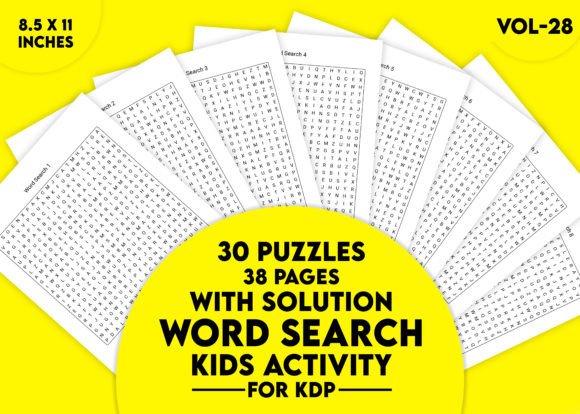
Word Search Kids Activity for KDP Vol-22: A Practical Resource for Real Life
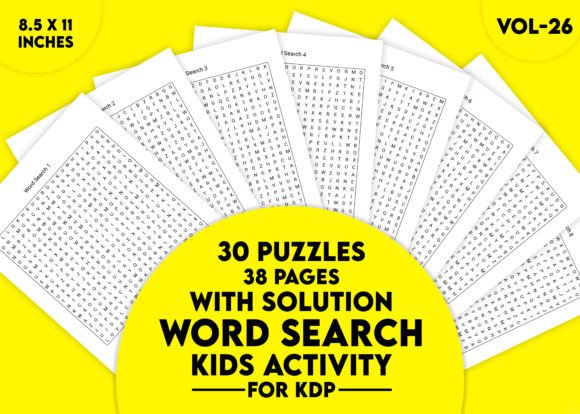
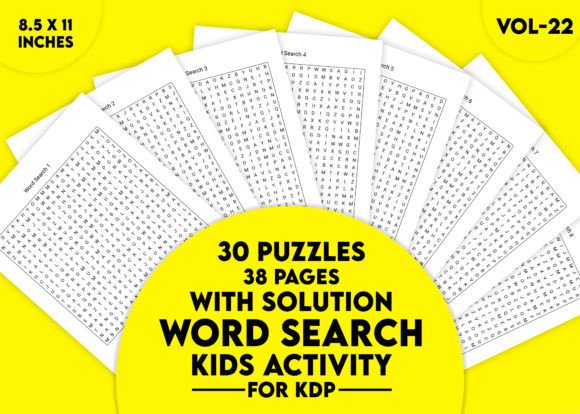
If you’ve ever been in the middle of a bustling restaurant or a long car ride with a restless child, you know the value of a quick, reliable activity. You need something that grabs their attention without blinking lights or sound effects. The Word Search Kids Activity for KDP Vol-22 is exactly that kind of tool. It’s a collection of 30 puzzles, but more importantly, it’s a resource that fits into dozens of real-world situations. Let’s talk about where it shines and how different people can get the most out of it.
Where This Activity Fits Into Your Day
Think about the small gaps in your daily routine. The ten minutes while you’re waiting for a sibling to finish soccer practice. The slow start of a rainy Saturday morning. These are the moments where a screen can easily take over, but a word search offers a different kind of engagement. It’s quiet, it’s focus-building, and it gives the child something to accomplish.
On the Go: Travel is a prime scenario. The Word Search Kids Activity for KDP Vol-22 is sized at 8.5 by 11 inches, which means it’s easy to hold on a clipboard or just resting on a lap. You can slip a few printed pages into a folder and have an instant travel kit. No internet connection needed. No battery anxiety. Just a pencil and a puzzle.
At Home: Maybe you need twenty minutes to make dinner without interruptions. Handing a child a puzzle gives them a structured solo activity. It’s different from a coloring page because it requires a specific kind of concentration. They aren’t just filling space; they are hunting for hidden words. That mental shift can be surprisingly calming for kids who need to transition from a busy school day to a quiet evening at home.
In the Classroom or Co-op: For teachers or group leaders, having a set of ready-to-print puzzles is a lifesaver. It works as an activity for early finishers, a fun Friday challenge, or even a collaborative group task where kids work in pairs. The included solutions mean you can let students self-check, which builds independence and saves you time.
Why the Format Works for Busy Adults
The details matter when you are the one printing and organizing. One puzzle per page keeps things clear and simple for the child. They see the grid, they see the word list, and they get started without confusion. The solutions are grouped four per page, which makes it easy for you to keep a master copy without flipping through endless pages. It’s a small design choice, but it respects your time.
The range of themes across the 30 puzzles is another practical strength. You can pull out a puzzle that matches a season, a holiday, or a topic your child is already excited about. If they just finished a book about space, a space-themed word search extends that interest in a low-key way. The mix of difficulty levels also means this single volume can work for a wide age range. A younger child might stick to the simpler horizontal words, while an older kid can tackle the diagonals and backward placements.
Different People, Different Approaches
Not everyone uses this resource the same way, and that flexibility is part of its value.
The Parent Looking for a Break: You just want something that works. You can print a few puzzles, toss them in a drawer, and pull them out when you need a quiet moment. The Word Search Kids Activity for KDP Vol-22 becomes a reliable backup plan. It’s also great for sibling bonding. Two kids can work on the same puzzle, pointing out words they find, or they can race to see who finishes first. It gives them a shared goal that doesn’t involve a screen.
The Homeschooling Family: You are constantly weaving learning into everyday activities. Word searches are a natural fit for reinforcing spelling and vocabulary. If you are studying ocean life or ancient Egypt, you can use a themed puzzle as a gentle entry point into the vocabulary of that unit. It’s not a quiz; it’s a discovery. And because the puzzles vary in difficulty, you can challenge an older student while still having something accessible for a younger sibling.
The Grandparent or Babysitter: Maybe you aren't up to date on the latest apps or trends. That’s okay. Word searches are timeless. You can sit down with a child, help them find the first word, and let them take over from there. It’s a natural conversation starter. “Oh, you found ‘dolphin’? What do you think is the smartest ocean animal?” It gives you a framework for connection without needing any special skills or equipment.
Strengths and a Few Honest Observations
Let’s talk about what this resource does well. The variety of puzzle themes keeps things fresh. Kids get bored with repetition, but 30 different puzzles give them enough room to explore. The inclusion of words placed backward and diagonally adds a layer of challenge that keeps older or more experienced searchers engaged. It’s not just busy work; it requires actual pattern recognition and focus.
The size is a clear plus. 8.5 by 11 inches means large, readable print. Young eyes won’t struggle to see the letters, and it’s a standard size that fits easily into a binder or a travel folder. The PDF format means you can print as many copies as you need, so if one child makes a mistake or wants to try again, you aren’t stuck using a single workbook that can’t be replaced.
A practical consideration: this requires a printer. That is a small barrier, but it’s worth mentioning. If you are planning for a long trip, you will want to print the puzzles ahead of time. Also, very young children (kindergarten or early first grade) might need help reading the word list, but once they see how the letters connect, they can often start matching shapes and letters on their own. The clear standard font used in the grid is helpful for emerging readers who are still building letter recognition skills.
Another honest point: some kids might finish a puzzle in ten minutes. That’s fine. The beauty of having 30 puzzles is that you can always offer another one. You can even let them choose which theme to do next, giving them a sense of control over the activity.
Bringing It Into Your Routine
You don’t need to plan elaborate lessons around the Word Search Kids Activity for KDP Vol-22. It works best when it’s easy to grab. Keep a small stash of printed puzzles in a drawer in the living room, or slip a few into a folder in your car. When you have a spare moment, you can offer one casually.
Here is one example: It’s a Sunday afternoon and the weather is keeping everyone indoors. Instead of turning on the television, you lay out a few puzzles and some colored pencils. One child dives right in. Another needs a little encouragement. You sit down and work on one together, talking through the words. It’s a low-pressure way to spend time together. The focus shifts from “I’m bored” to “I found another word.”
For families with multiple kids, this can become a friendly competition. Set a timer and see who can find all the words first. Or work cooperatively on a single large puzzle, taking turns finding the next hidden word. The activity adapts to the mood of the moment.
More Than Just a Puzzle
At its core, a word search helps build skills that matter. It trains the eye to scan for details. It reinforces spelling patterns without feeling like a lesson. It teaches persistence—sometimes you have to look at the grid for a while before a word pops out. And it offers a clear, satisfying finish. Finding the last word gives a small sense of accomplishment that keeps a child wanting to try the next one.
Whether you are a parent, a teacher, a grandparent, or a caregiver, this collection of puzzles gives you a straightforward, screen-free option that you can trust. It is the kind of resource that doesn’t demand much from you but delivers real value in the hands of a child. Print it out, keep it handy, and let the hunting begin.