Candle Cost Calculator: Simplify Your Pricing and Profit Strategy
Running a candle business involves much more than selecting fragrances and melting wax. One of the most critical yet often overlooked aspects is understanding your true costs. Without a clear picture of what goes into every candle, pricing can feel like guesswork. That is where a candle cost calculator becomes an essential tool. Whether you are a hobbyist selling at weekend markets or a small business owner scaling up production, knowing exactly what each candle costs ensures you set prices that cover expenses and generate healthy profit margins.
Many makers start with rough estimates, but hidden costs quickly add up. Wax, wicks, fragrance oils, containers, labels, packaging, and even the electricity used during melting all contribute to your bottom line. A dedicated candle cost calculator helps you track every variable, so you never underprice or overprice your products. The result is a sustainable business model where every sale feels intentional and profitable.
Why Every Candle Maker Needs a Cost Calculator
Pricing candles correctly can be challenging, especially when you are just starting out. You might look at similar products online and try to match their prices, but that approach ignores your unique expenses. A candle cost calculator brings clarity by breaking down each component of your candle creation process. Instead of guessing, you get a precise breakdown that accounts for raw materials, labor, overhead, and desired profit margin.
Beyond simple arithmetic, a good calculator helps you see patterns. For example, you might discover that a particular jar size or fragrance oil blends is eating into your profits more than expected. With this insight, you can adjust your sourcing, change your packaging, or reconsider your pricing strategy. Over time, using a consistent calculation method turns candle making from a creative passion into a profitable venture.
Additionally, a cost calculator builds confidence when you present your products to customers. You can explain your pricing with transparency, showing that each candle reflects careful craftsmanship and fair value. Customers appreciate knowing that they are paying for quality ingredients and thoughtful production, not arbitrary markups.
Key Features to Look for in a Candle Cost Calculator
Not all cost calculators are created equal. The most effective ones allow you to input variable costs and adjust them as prices change. A flexible calculator accounts for different candle sizes, wax types, and fragrance loads. It should also let you factor in fixed costs such as labels, packaging, and shipping materials.
Another important feature is the ability to set your desired profit margin and see the retail price automatically. This saves time and reduces mental math errors. Some calculators even include a break-even analysis, so you know how many candles you need to sell to cover your initial investment. When you are testing new products or seasonal collections, this kind of insight is invaluable.
Integration with your existing workflow also matters. If you use spreadsheets or accounting software, choose a calculator that allows easy data export. For those who prefer a more visual approach, templates that combine calculation fields with professional layouts can serve dual purposes. They not only help you calculate costs but also create clean, presentable sheets for your records or client meetings.
Practical Use Cases for a Candle Cost Calculator
Imagine you are preparing for a holiday market. You plan to offer three candle sizes in five different scents. Without a calculator, pricing each combination individually becomes tedious. With a candle cost calculator, you set up your base costs once, then quickly see the price for every variation. This speeds up your preparation and ensures consistency across your product line.
Another scenario involves testing new container options. You find a beautiful jar that costs slightly more than your current one. Instead of guessing whether you can still make a profit, you plug the new cost into your calculator. Immediately, you see the impact on your final price. If the margin shrinks too much, you can either adjust your retail price or look for alternative containers that fit your budget.
For educators and workshop leaders, a candle cost calculator can be a teaching tool. When you show students how to calculate their own costs, they learn a practical business skill alongside the craft. This makes your workshops more valuable and helps attendees start their own ventures with a solid foundation.
Going Beyond Numbers: Professional Presentation Matters
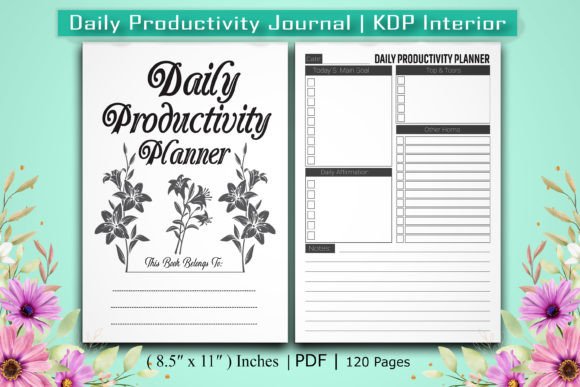
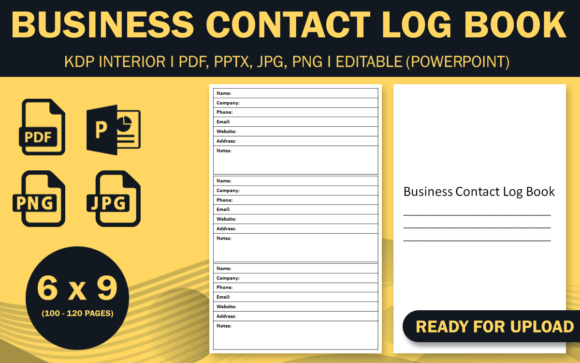
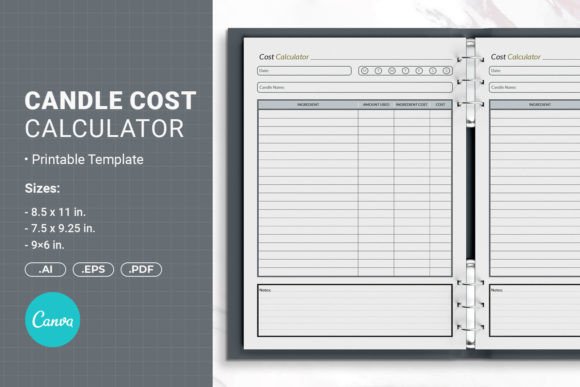
Calculating costs is only half the story. Presenting your pricing information in a clean, organized way adds professionalism to your brand. This is where a well-designed template makes a difference. A candle cost calculator that comes with multiple format options allows you to share your data in a way that suits your audience. Whether you need a printed sheet for a binder, a PDF for emailing clients, or a digital file for uploading to a platform like Amazon KDP, having versatile templates saves time and effort.
The right template includes safe margins for hole punching, so you can keep physical copies in a binder without losing any information. It also comes with bleed settings ready for print, so if you decide to turn your cost sheets into a professional booklet, the formatting is already handled. This attention to detail shows customers and partners that you take your business seriously.
Choosing the Right Size for Your Needs
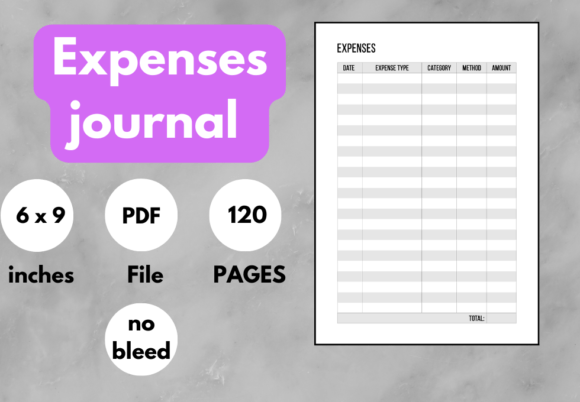
Different projects call for different formats. A candle cost calculator that offers multiple sizes gives you flexibility. The three most common sizes are 8.5 x 11 inches (215.9 x 279.4 mm), 7.5 x 9.25 inches (190.5 x 234.95 mm), and 6 x 9 inches (152.4 x 228.6 mm). Each serves a distinct purpose.
The 8.5 x 11 size is ideal for detailed worksheets, where you need plenty of space for line items, notes, and calculations. It works well for desktop use or when printing for a binder. The 7.5 x 9.25 size is a more compact option that still provides ample room for data. It is a great middle ground for those who want something portable but not too small. The 6 x 9 size is perfect for pocket notebooks or small reference guides. If you plan to create a booklet about your candle costs, this size feels comfortable to hold and easy to carry to markets or meetings.
By choosing the size that matches your workflow, you avoid wasting space or struggling to read small text. Each format is designed to be practical and visually balanced.
Who Benefits from a Candle Cost Calculator
Beginners often feel overwhelmed by the business side of candle making. A calculator removes the guesswork and gives them a clear path to profitable pricing. Casual makers who sell occasionally can use it to ensure they are not losing money on their creations. For full-time small business owners, a calculator becomes a daily tool for adjusting prices as raw material costs fluctuate.
Freelancers who consult with candle brands can use a calculator to provide accurate pricing recommendations. Bloggers and content creators covering candle making topics can share calculators as resources for their audience. Educators teaching entrepreneurship or craft business classes find calculators helpful for hands-on lessons. Even hobbyists who make candles as gifts can use one to track their spending and stay within budget.
Beyond individual makers, shops that buy candles from wholesalers can also use a calculator to compare supplier costs. This helps them select the best options for their retail pricing strategy. In short, anyone involved in the candle industry, from creator to retailer, benefits from understanding costs at a granular level.
What to Consider Before Choosing a Template
When selecting a candle cost calculator template, think about how you plan to use it. Do you need something simple for personal tracking, or do you want a polished file that can be shared with clients or uploaded to publishing platforms? Consider the file formats offered. Open source files such as AI and EPS allow you to customize the design deeply. PDF files are ready for immediate printing or digital sharing. Canva links provide easy editing for those who prefer a browser-based tool.
Also, consider the level of customization you need. Some templates include preset fields for common candle costs, while others are fully blank, letting you build your own categories. If you produce many different candle types, a flexible template that can be duplicated and adjusted saves time. If your product line is simple, a straightforward calculator with standard inputs may be all you need.
Finally, think about your comfort with technology. If you are not experienced with design software, a Canva link or PDF version is more approachable. If you are comfortable editing vector files, AI and EPS formats give you complete creative control. Choose a version that matches your skill level and the amount of time you want to invest in setup.
Making the Most of Your Candle Cost Calculator
Once you have a calculator and template that fits your needs, make it part of your regular routine. Update your costs whenever you buy new supplies, even if the price change is small. Over time, these small adjustments add up, and your pricing stays accurate. Use the calculator before launching any new product, so you know right away whether it will be profitable.
Share your approach with fellow makers. The candle community is collaborative, and many creators appreciate learning how others handle pricing. By being transparent about your methods, you build trust and help raise the standard of the craft. A well-built candle cost calculator is more than a spreadsheet. It is a foundation for a business that values both creativity and financial health.
Taking the time to set up a system now will save you countless hours of guesswork later. Whether you are selling your first batch or your thousandth, knowing your numbers empowers you to make confident decisions. With the right tools, including a versatile template that adapts to your workflow, you can focus on what you love most: creating beautiful candles that people love to buy.