The Ultimate Guide to Using a Printable Engineering Notebook (8.5 x 11)
For engineers, architects, designers, and technical professionals, the notebook is more than just a place to jot down ideas—it is the backbone of every project. From initial concept sketches to final calculations, every step of the engineering process relies on clear, organized documentation. While traditional paper notebooks have served engineers for generations, a modern alternative has emerged that combines the tactile benefits of pen and paper with the flexibility of digital design: the printable engineering notebook. Specifically, a printable engineering notebook in the 8.5 x 11 inch format offers a unique blend of practicality, portability, and customization that meets the demands of today's fast-paced engineering environment.
This article explores everything you need to know about using an 8.5 x 11 printable engineering notebook. We will cover what it is, why the size matters, the key features of its templates, how to use it effectively, and how it fits into both physical and digital workflows. Whether you are a student just starting your engineering journey or a seasoned professional looking to streamline your documentation, this guide will help you understand why this tool is becoming essential.
What Is a Printable Engineering Notebook?
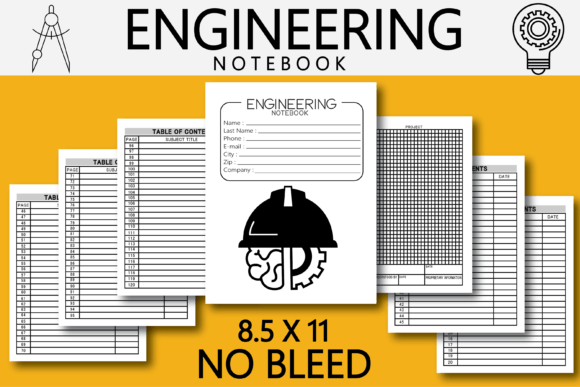
At its core, a printable engineering notebook is a digital file—usually in PDF format—that contains pre-designed templates intended to be printed on standard letter-sized paper (8.5 x 11 inches). Unlike generic notebooks, these templates are specifically crafted for engineering work. They include structured sections for project details, design sketches, mathematical calculations, notes, and even graph paper or grid layouts. The "printable" aspect means you can produce as many pages as you need, whenever you need them, on any standard printer.
This approach offers a level of flexibility that a bound notebook cannot match. You can print only the pages you need, rearrange them, or combine different template types for a single project. Moreover, because the notebook is digital until printed, you can also use it on a tablet or computer with a note-taking app, making it a hybrid tool that works in both physical and digital spaces.
The 8.5 x 11 Size: Why It Matters
The 8.5 x 11 inch size—commonly known as US Letter—is the standard paper size used in North America for business, education, and office environments. Choosing this size for an engineering notebook brings several advantages:
- Easy Printing and Storage: You can print directly from any standard home or office printer without needing special paper. The pages fit neatly into standard file folders, binders, and filing cabinets.
- Familiar Dimensions: Most engineers are accustomed to working with letter-size documents, so there is no learning curve. The size feels natural for writing, drawing, and reading.
- Portability: While larger than pocket notebooks, 8.5 x 11 pages easily fit into most laptop bags, briefcases, and backpacks. They are large enough for detailed sketches but not so large that they become cumbersome.
- Scalability: The size works well for both A4 and US Letter users. For those outside North America, the dimensions are close enough to A4 (210 x 297 mm) that templates can be adapted without major layout issues.
Key Features of an Engineering Notebook Template
A well-designed 8.5 x 11 printable engineering notebook goes beyond plain paper. The templates are thoughtfully structured to support the engineering workflow. Here are the most common features you will find:
Pre-Designed Layouts for Calculations and Sketches
Most templates include a grid or graph paper background for precise sketches, diagrams, and graphs. Some pages feature a combination of blank space and ruled lines, allowing you to write calculations next to your freehand drawings. The grid lines are typically printed at 5 mm or 1/4 inch intervals, which works well for scale drawings and schematics.
Dedicated Sections for Project Organization
Many templates include header areas where you can record the project name, date, page number, and revision. This simple addition makes it much easier to keep notebooks organized, especially when you are juggling multiple projects. Some templates also include a table of contents page at the beginning, so you can index your entries.
Calculation and Formula Areas
Engineering involves math—lots of it. Templates often include a ruled or grid section specifically for writing equations, performing calculations, and noting formulas. Some even have small boxes for check-off items or to mark the completion of a calculation step. This structure helps prevent errors and makes it easier to review your work later.
Sketching and Diagram Space
A large blank or lightly grid-lined area is reserved for design sketches, flowcharts, and schematic diagrams. Having this space integrated with the calculation section allows you to keep related information together, which is crucial for understanding the context of a design decision.
Durable, High-Resolution Design
Most high-quality printable notebooks are designed at 300 dpi (dots per inch) resolution, ensuring crisp, sharp lines when printed. The files are usually provided without bleed, meaning they print exactly to the edges of standard paper without cutting off important content. You can also find editable source files (such as PNG or PDF) that let you customize the layout to your preferences.
How to Use a Printable Engineering Notebook Effectively
Whether you choose to print your notebook pages or use them digitally, the process is straightforward. Here is a step-by-step guide to getting the most out of your printable engineering notebook:
Step 1: Choose the Right Template for Your Project
Start by selecting a template that matches the type of work you are doing. If you are working on a detailed design, choose a page with a large sketch area and grid lines. If you are performing a series of calculations, pick a template with ruled lines and a formula box. Having a variety of page types available allows you to adapt your notebook to each task.
Step 2: Print on Quality Paper
For the best experience, print your pages on high-quality, bright white paper with a weight of 24 lb or higher. Heavier paper reduces ink bleed-through and feels more substantial when writing. If you plan to use markers or heavy ink, consider using paper rated for such use.
Step 3: Organize Your Pages
You can keep your printed pages in a three-ring binder, a spiral binder, or a simple folder. Many engineers prefer a binder because it allows them to add, remove, and rearrange pages easily. You can also punch holes in the pages to fit a standard binder. For those who like a more permanent solution, you can have the pages bound at a print shop.
Step 4: Use a Consistent Naming and Dating System
Make it a habit to fill out the header information on each page. Write the project name, date, and page number at the top of every page. This simple discipline will save you hours of frustration when you need to find a specific note or calculation later.
Step 5: Integrate with Digital Workflows
One of the greatest advantages of a printable notebook is that you can also use it digitally. Upload the PDF to a note-taking app like GoodNotes, Notability, or OneNote, and write directly on the pages using a stylus. This gives you the freedom to handwrite and sketch just as you would on paper, while keeping everything searchable and backed up in the cloud.
Digital vs. Physical: Which Is Right for You?
Printable engineering notebooks offer a true hybrid experience. Here is how each mode stacks up:
Physical Printing
- Pros: No screen fatigue, tactile feedback, no battery required, easy to spread pages out on a desk, and familiar pen-and-paper feel.
- Cons: Needs paper and printer, physical storage space required, cannot easily search handwritten notes.
Digital Use (via Tablet or App)
- Pros: Unlimited pages, easy duplication, searchable text (if you use handwriting recognition), cloud backup, and can be accessed on multiple devices.
- Cons: Requires a tablet and stylus, potential for distraction, may cause eye strain over long periods.
Many engineers find that a combination works best: use digital for brainstorming, sketching, and quick notes, then print final versions for archival or review. Because the templates are undated, you can print or use them over and over again, making them a cost-effective investment.
Common Misunderstandings About Printable Engineering Notebooks
Despite their growing popularity, there are a few misconceptions that persist:
- "It's just graph paper." While graph paper is a component, a well-designed engineering notebook includes header sections, calculation areas, and other structural elements that plain graph paper lacks. It is designed to support the engineering process, not just provide a grid.
- "It's only for students." Professionals in fields like civil, mechanical, electrical, and software engineering also use these notebooks. They are ideal for project documentation, design reviews, and patent notebooks.
- "It's not professional enough." On the contrary, a well-organized printed notebook with clear headers and structured pages can present a very professional appearance, especially when used for project documentation or client communication.
- "You need a fancy printer." Any standard inkjet or laser printer that handles letter-size paper works fine. You do not need a special printer to get good results.
Who Benefits from an 8.5 x 11 Printable Engineering Notebook?
This tool is valuable for a wide range of individuals and settings:
- Engineering Students: Perfect for keeping lab notes, problem sets, and design projects organized. The structured templates help students develop good documentation habits early.
- Professional Engineers: Use it for project notes, design calculations, field notes, and design reviews. The consistent format makes it easier to share notes with colleagues.
- Architects and Designers: The sketch areas are ideal for conceptual drawings, and the grid lines help with scale and proportion.
- Project Managers: Use the notebook for meeting notes, project timelines, and checklists, keeping everything in a standardized format.
- Hobbyists and Makers: Whether you are building a robot, designing a piece of furniture, or working on an electronics project, this notebook helps you plan and track your progress.
Final Thoughts
A printable engineering notebook sized at 8.5 x 11 is more than just a piece of paper—it is a carefully designed tool that supports the way engineers think and work. Its pre-structured templates save time, reduce clutter, and help maintain consistency across projects. By combining the best of physical and digital workflows, it offers a flexible solution for anyone who needs to document technical work with precision and clarity.
The next time you find yourself searching for the right notebook format, consider the printable engineering notebook. With its standard size, customizable layouts, and ease of use, it might be exactly what you need to stay organized, focused, and productive—whether you are at your desk, in the field, or working remotely. And because you can print as many pages as you need, it is a sustainable and cost-effective choice that grows with your projects.
Embrace the power of a well-organized notebook. Your future self—searching for a key calculation or a forgotten sketch—will thank you.