Mastering Sales Tracking: The Complete Guide to Using a Commission Sales Log Book
If you work on commission—whether as a real estate agent, insurance broker, freelance consultant, or retail salesperson—you know that every deal matters. But how do you keep track of every transaction, every payout percentage, and every pending commission? The answer lies in a simple yet powerful tool: a Commission Sales Log Book. This guide will walk you through everything you need to know about commission logging, why it matters, and how to choose and use a log book that fits your workflow perfectly.
What Is a Commission Sales Log Book?
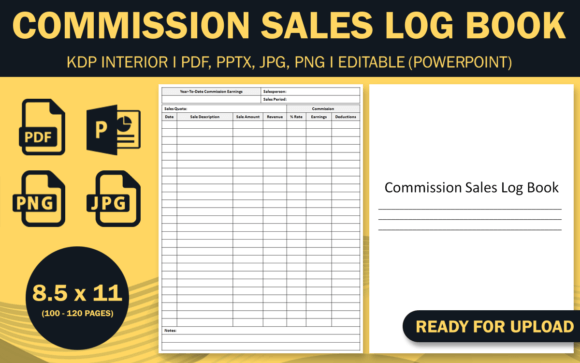
A Commission Sales Log Book is a dedicated record-keeping tool designed specifically for professionals who earn income based on sales or performance. Unlike a generic notebook or spreadsheet, this log book provides structured templates tailored to capture essential details for each transaction: client name, product or service sold, sale amount, commission rate, commission earned, payment date, and any notes or follow-up actions.
Think of it as a financial diary for your sales activity. By logging each deal systematically, you transform scattered pieces of information into a clear, actionable overview of your earnings. Over time, this log becomes more than just a record—it becomes a strategic asset for forecasting, tax preparation, and performance analysis.
Why You Need a Commission Sales Log Book
Many sales professionals rely on memory or scattered digital notes to track their commissions. This approach often leads to missed payments, delayed follow-ups, and confusion during tax season. A dedicated log book solves these problems by providing a single, reliable source of truth. Here are the key reasons to start using one today:
- Accuracy and Accountability: Every commission is recorded immediately, reducing the risk of forgetting a deal or misremembering a rate.
- Simplified Tax Filing: When tax season arrives, you have a complete, organized record of income. No more digging through emails or bank statements.
- Performance Insights: Over weeks and months, your log reveals patterns—which products sell best, which clients are most profitable, and which months are strongest.
- Dispute Resolution: If a discrepancy arises with your employer or client regarding a commission, your log serves as professional evidence.
- Goal Setting: With clear historical data, you can set realistic income targets and track progress toward them.
Who Should Use a Commission Sales Log Book?
While anyone earning variable income can benefit, certain roles find a commission log especially valuable. Consider these examples:
- Real Estate Agents: Track multiple listings, buyer transactions, and referral fees across different brokerages.
- Insurance Brokers: Log policy sales, renewals, and residual income streams.
- Freelance Consultants: Record project-based fees and performance bonuses.
- Retail Sales Staff: Monitor daily sales and commission payouts in a fast-paced environment.
- Network Marketers: Keep tabs on personal sales and downline commissions.
- Independent Contractors: Manage income from multiple clients or platforms.
No matter your industry, if a portion of your income depends on sales results, a commission log helps you stay organized and in control.
Key Features of an Effective Commission Log Book
Not all log books are created equal. A well-designed Commission Sales Log Book should include these essential elements:
- Clear Header Fields: Spaces for date, client name, product/service, invoice or deal number, sale amount, commission percentage, and commission earned.
- Payment Status Tracking: Columns to indicate whether the commission has been received, pending, or disputed.
- Notes Section: Room for follow-up tasks, client details, or any special arrangements.
- Monthly or Yearly Summaries: Summary pages that let you quickly view totals for a given period.
- User-Friendly Layout: Enough space to write legibly without feeling cramped.
- Durable Format: A physical or digital format that withstands daily use and is easy to carry or access.
When you choose a log book that matches these criteria, you set yourself up for consistent use and long-term benefits.
Common Misunderstandings About Commission Logs
Some professionals hesitate to adopt a formal log book due to a few common misconceptions. Let's clear them up:
Myth: "I can just use a spreadsheet or app."
While digital tools work well for many, a physical log book offers advantages like zero screen time, no risk of data loss due to crashes, and the ability to quickly jot down notes during a meeting without unlocking a device. Plus, some people simply prefer the tactile, focused experience of writing by hand.
Myth: "It's too much work to maintain."
In reality, logging a single transaction takes less than a minute. Once you build the habit, it becomes second nature—and the time saved during tax season or when reconciling payments far outweighs the small daily effort.
Myth: "I don't need it because my employer tracks commissions."
Employer records are not always accurate, and errors can happen. Keeping your own independent log protects you and gives you the power to double-check payouts. It also helps you understand your income pattern beyond what a payroll system provides.
How a Commission Sales Log Book Fits Into Modern Business
In today's fast-paced, gig-oriented economy, income streams are more varied than ever. Freelancers, solopreneurs, and side hustlers all deal with fluctuating earnings. A commission log provides stability and clarity in this environment. It bridges the gap between raw sales data and financial peace of mind.
Moreover, using a physical log book can complement your digital tools. Many professionals keep both a printed log for on-the-go tracking and a digital backup for long-term storage. This hybrid approach gives you the best of both worlds: the immediacy of paper and the searchability of digital files.
Practical Examples: How to Use Your Commission Log Day to Day
Let's walk through a typical scenario. Suppose you're a real estate agent who just closed a home sale. You would open your Commission Sales Log Book and fill in the following:
- Date: The closing date of the sale.
- Client Name: Buyer or seller name.
- Property Address: The home sold.
- Sale Price: $350,000.
- Commission Rate: 3%.
- Commission Earned: $10,500.
- Payment Status: Pending (since the check hasn't arrived yet).
- Notes: Any follow-up needed, like sending a thank-you note or referring a lender.
Weeks later, when the commission check arrives, you simply update the status to "Paid" and note the date. This simple act keeps your records current and prevents any payment from slipping through the cracks.
For a freelance consultant who earns a base fee plus a performance bonus, the log might include separate columns for base pay and bonus, allowing you to see exactly how much of your income comes from performance incentives.
Your Download Includes Everything You Need
To make getting started as seamless as possible, the Commission Sales Log Book package you're about to download includes multiple file formats and options. Here's exactly what you receive:
- Editable Source File (PowerPoint PPTX): Open it in PowerPoint, customize the headers, add your logo, or change the design to match your brand. This flexibility makes it perfect for businesses that want a uniform look across their team.
- Two PDF Files (interiors ready for upload to KDP or print): These files have been tested on KDP, meaning they meet Amazon's printing specifications. You can upload them directly to create a paperback without any formatting adjustments. Two interior options give you choice: one with 100 pages and one with 120 pages. Whether you prefer a slimmer log for light use or a thicker one for heavy recording, you're covered.
- JPG and PNG Files: Use these for digital previews, social media promotion, or even as printable inserts if you prefer a loose-leaf system.
- Trim Size 8.5 × 11 inches (no bleed): This standard letter size provides ample space for writing and fits easily into most binders or filing systems. No bleed means you can print without worrying about content being cut off at the margins.
- High-Resolution Interiors: Crisp, clean lines and professional typography ensure your log book looks polished whether you print it at home, at a local shop, or through a publisher like KDP.
How to Choose Between the 100-Page and 120-Page Interiors
The choice between these two options depends on your typical sales volume. If you close 5–10 deals per month, a 100-page log might last you about 10–12 months. If you're more active—say 15+ deals per month—the 120-page version gives you a few extra weeks of capacity. You can always print a new one when you fill up, but having that extra headroom can be convenient during busy seasons.
Both interiors follow the same clean layout, so you can mix and match versions without changing your workflow. The high-resolution design ensures every entry remains legible and professional.
Tips for Building a Consistent Logging Habit
Getting the log book is only half the battle—using it consistently is where the real value lies. Here are a few strategies to help you stay on track:
- Set a daily "log time": Spend 5 minutes at the end of each workday updating your log. This becomes a ritual that takes almost no time but yields huge rewards.
- Keep it accessible: Store the log on your desk, in your briefcase, or next to your workspace. The easier it is to reach, the more likely you are to use it.
- Use it as a planning tool: At the start of each month, review your log from the previous month. Identify trends, set new targets, and plan which clients or products to focus on.
- Pair it with your calendar: When you note a pending commission, add a reminder on your phone to follow up if payment doesn't arrive within a reasonable time.
- Review quarterly: Every three months, go through your log and calculate totals. Compare them against your goals and adjust your strategy accordingly.
Final Thoughts: Why This Log Book Belongs in Your Toolkit
Tracking commissions manually might seem old-fashioned in an era of apps and cloud software, but there is a reason so many top-performing sales professionals still rely on a dedicated log book: it works. It creates discipline, builds awareness, and protects your income. When you combine that practice with a professionally designed log that includes editable files, multiple print-ready PDFs, and high-resolution graphics, you have everything you need to take control of your sales income.
Whether you're new to commission-based work or a seasoned veteran looking to tighten your record-keeping, the Commission Sales Log Book package offers a practical, affordable, and customizable solution. Download it today, pick the page count that suits your pace, and start experiencing the clarity and confidence that comes from knowing exactly where every dollar of your commission stands.
Your income deserves that level of attention—and now you have the perfect tool to give it.