Dots and Boxes Printable Game: A Versatile Tool for Publishing and Beyond
If you publish low-content books on Amazon KDP or manage any print-on-demand catalog, you already know that variety and quality drive repeat sales. One product that consistently performs well across multiple niches is the Dots and Boxes printable game. It appeals to children, families, travelers, and educators, while also serving as a reliable asset for publishers who need tested, ready-to-upload content. This article walks through what this printable game actually is, how it fits into a publishing or creative workflow, and what practical steps you can take to integrate it smoothly into your own routine—whether you are a seller, a teacher, or a parent looking for reusable activities.
Understanding the Dots and Boxes Printable Game Structure
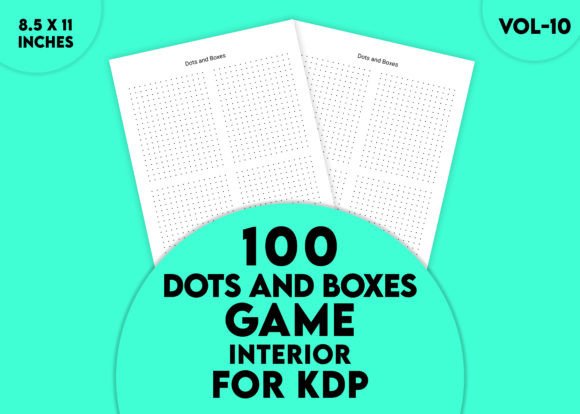
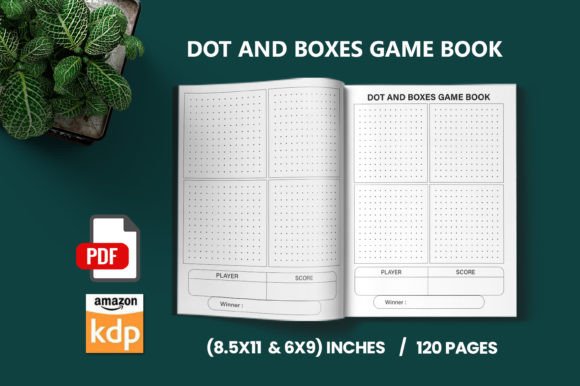
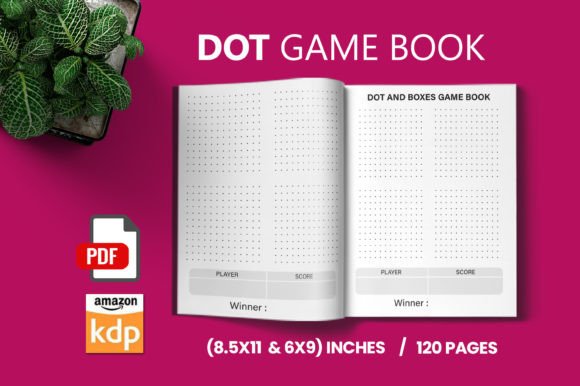
Dots and Boxes is a classic pen-and-paper game where two players take turns connecting dots on a grid. Each completed square earns a point, and the player with the most squares at the end wins. The printable version repackages this simple mechanic into a formatted, ready-to-print book or PDF. The version described here comes as a KDP interior—a complete set of 120 pages, offered in both PDF and JPEG formats, with 100 percent resizable content. The dimensions range from 6 by 9 inches up to 11 by 8.5 inches, with no bleed required. This means you can open the files in most editing software, adjust the trim size to match your cover, and export a clean print-ready document.
What makes this format practical for publishing is the fully editable nature of the content. You are not locked into a static layout. You can add your own branding, adjust grid sizes, change page margins, or include instructions and score sheets. The interior is tested on KDP, so you avoid common upload errors like missing fonts or incorrect bleed lines. For someone building a publishing business, this removes a large chunk of trial and error.
How This Printable Game Integrates into Your Publishing Workflow
A typical KDP workflow involves researching a niche, designing a cover, formatting an interior, uploading files, and setting a price. The Dots and Boxes interior plugs directly into the formatting step. Instead of building a new document from scratch, you open the editable PDF or JPEG, verify the dimensions match your cover spec, and then export. Because the files come in 11 by 8.5 inches and 6 by 9 inches, you can target both standard US letter size and pocket-sized activity books without extra resizing work.
If you publish across multiple marketplaces, such as Amazon, Etsy, or Gumroad, the same files work for both print-on-demand and digital downloads. The JPEG versions allow you to upload individual pages as single-image listings on print-on-demand sites, while the PDF serves as the complete ebook interior. This dual-format approach saves you from creating separate assets for each platform.
Beyond publishing, the editable structure means you can localize the content. You might add bilingual instructions, adapt the page count, or insert promotional pages at the back. The 120-page count gives you enough room to include variety—larger grids for younger players, smaller grids for longer games, and enough pages to keep a child engaged during a road trip or a quiet afternoon.
Use Cases Before, During, and After a Project
Before launching a new KDP title, consider using the Dots and Boxes interior as a test asset. Publish a simple version with a generic cover and see how it performs in search results. Because the file is already KDP-tested, you can get a listing live in under an hour. This lets you validate demand with minimal upfront cost.
During an active publishing project, this interior can serve as a bonus or bundling item. If you have a larger activity book, you can add selected Dots and Boxes pages to increase page count without rewriting content. Many profitable low-content books combine multiple game types—mazes, word searches, and dot grids—into one volume. Having a resizable, editable Dots and Boxes file gives you the flexibility to pull exactly the number of pages you need and insert them into your master document.
After a book is published, you can repurpose the same interior into different formats. Convert the PDF into a digital fillable file using a tool like Canva or Adobe Acrobat, and sell it as a digital download on Etsy. Trim the dimensions to 8.5 by 11 inches and upload to Amazon KDP as a separate listing targeting teachers and homeschoolers. The 100 percent resizable specification means you can scale up or down without losing layout quality, as long as you maintain proportions.
Working with the File: Preparation, Compatibility, and Usability
When you download the Dots and Boxes interior, you receive both PDF and JPEG files. The PDF format is ideal for direct upload to KDP because it preserves fonts, margins, and page order. The JPEG files give you individual page images, which you can edit in Photoshop, GIMP, Canva, or any raster editor. If you want to change the color scheme, add background patterns, or insert your logo, the JPEG format lets you edit each page independently.
Preparation steps typically involve:
- Opening the PDF in a compatible program such as Adobe Acrobat, PDFelement, or a free tool like LibreOffice Draw.
- Verifying the page count matches your intended listing.
- Adjusting the trim size if necessary—most editing programs allow you to crop or resize the entire document to your chosen dimensions.
- Checking that no bleed margins are present, as this file specifies no bleed, which simplifies the upload process for standard paperback interior options.
- Exporting the final document as a PDF with embedded fonts and high-quality compression.
Usability is straightforward. The grids are clean and evenly spaced. Each page contains a single game board, which makes it easy to shuffle or remove pages. For a parent printing at home, the JPEG files can be printed individually—handy if you want to hand out one sheet at a time. For a classroom teacher, the 120-page count provides enough material for a full class without needing photocopying multiple books.
Optimization Tips for Long-Term Use and Consistency
Consistency across your product line matters for brand recognition. If you use this interior for multiple listings, keep certain elements uniform: use the same font for instructions, maintain identical page margins, and place your logo in the same position on every page. The editable nature of these files supports this. You can create a base template in your editing software and use it as a master document, then duplicate and export each version for different cover designs.
Efficiency improves when you batch edit. If you plan to release several Dots and Boxes books with different themes—such as animals, space, or holidays—duplicate the folder of JPEG files, make color adjustments in bulk using image processing tools, and then reassemble the PDF. This approach reduces repetitive work and helps you maintain a consistent release schedule.
For long-term use, store both the original unedited files and your modified versions separately. This protects against accidental overwrites. If you need to revert to the original layout, you always have the untouched PDF and JPEG sets available. Label each folder with the version number, date, and target dimension so you can quickly locate the right file when updating an existing listing or creating a new one.
Quality Control and Ensuring a Polished Final Product
Before uploading any interior to KDP, perform a quick quality check. Open the PDF and scroll through every page. Look for blank pages, misaligned grids, or missing borders. Because the files come pre-tested, major errors are unlikely, but you should verify that any edits you made did not shift elements off-center. Print one page if possible, or use the KDP preview tool to simulate how the book will look on different devices and in print.
Check the file size. A 120-page PDF should be manageable for download, but if you added high-resolution images or heavy compression, the file might exceed KDP limits. Keep the resolution at 300 DPI for print and lower it to 72–150 DPI if you plan to sell as a digital download. The JPEG files already meet print standards, so resizing down is safer than up.
If you offer the interior as a digital product on Etsy or Teachers Pay Teachers, ensure the instructions are clear and the game rules are easy to understand. Many buyers of printable games are parents or educators who want a no-fuss activity. Include a simple explanation at the front of the file, and consider adding a scoring section to each page for convenience.
Integrating the Printable Game into a Broader Routine
For publishers, the Dots and Boxes interior can become a recurring asset in your production pipeline. Set aside one day per month to create a new variant—change the color palette, adjust grid size, or combine it with other game pages into a larger bundle. Over time, this builds a catalog of related products that cross-promote each other. If a customer buys one activity book, they are likely to search for similar titles from the same publisher.
For non-publishers, the same files serve practical daily uses. Parents can print a few pages before a long car ride. Camp counselors can photocopy the pages for group activities. Tutors can use the grids to teach logical thinking and basic strategic planning. The 120-page count means you will not run out quickly, and the no-bleed design lets you print on standard home paper without trimming edges.
If you are new to KDP, this interior gives you a low-risk entry point. The files are tested, editable, and resizable. You can focus your energy on designing an appealing cover and writing a compelling product description, knowing the interior formatting is already sound. Once the book goes live, you learn the mechanics of publishing without wrestling with layout tools or troubleshooting upload errors.
In any context—publishing, teaching, or personal use—the Dots and Boxes printable game is a functional piece of content that adapts to the task. Its strength lies in its simplicity and its flexibility. Whether you need a product to launch quickly, a resource to occupy a child, or a template to modify for your own projects, this interior delivers consistent results without requiring excessive editing time or technical expertise.