The Property Inspection Checklist That Saves You Time, Money, and Stress
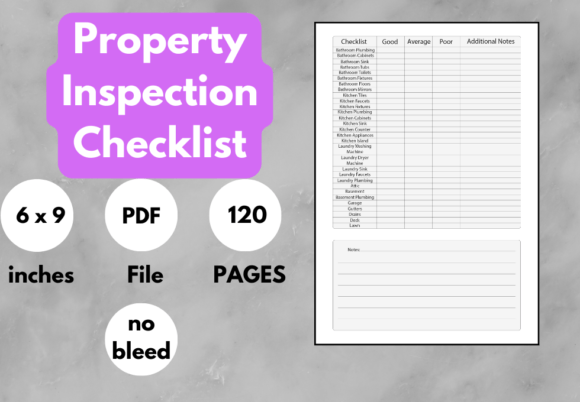
If you’ve ever walked through a house you were about to buy and later discovered a hidden leak, faulty wiring, or a foundation crack, you know the sinking feeling of missing something important. A property inspection checklist is a structured guide that helps you evaluate every critical part of a property before you commit to a purchase, lease, or renovation. It’s more than just a list of things to look at—it’s a decision-making tool that keeps you organized, objective, and informed, whether you’re a first-time homebuyer, a seasoned landlord, or a real estate agent trying to protect your client’s interests.
The real power of a property inspection checklist lies in the way it shifts your focus from surface appeal to structural reality. Instead of getting distracted by fresh paint or new appliances, you systematically check the roof, plumbing, electrical systems, foundation, insulation, and safety features. This approach turns a rushed walk-through into a confident evaluation.
When and Where a Property Inspection Checklist Proves Its Value
A property inspection checklist is useful in many situations, but its value really shines during the most common property transactions and management tasks. Consider these real-life scenarios:
- Buying a home: You’ve saved for years and fallen in love with a listing online. On the day of the viewing, emotions run high. A checklist keeps you grounded. You’ll remember to test every faucet, check for signs of water damage in the basement, and ask about the age of the water heater. Without it, you might overlook a cracked chimney flue or a sagging roof deck.
- Renting an apartment: Freelancers and remote workers often rent sight unseen or after a quick tour. Using a property inspection checklist before signing a lease helps you document existing damage—a scuffed floor, a broken blind, a slow-draining sink—so you don’t lose your security deposit later. It also helps you spot safety issues like missing deadbolts or non-functioning smoke alarms.
- Selling a property: If you’re a homeowner planning to sell, inspecting your own property with a checklist can reveal problems you’ve lived around for years. Fixing a dripping faucet, replacing a cracked outlet cover, or cleaning the gutters before a buyer’s inspection can prevent renegotiations and build trust.
- Managing rentals: Landlords and property managers can use a checklist between tenants to maintain consistency. You’ll check for damage, test appliances, and note necessary repairs. This documentation protects you when disputes arise and helps you plan your maintenance budget.
- Flipping or renovating: Entrepreneurs and house flippers need a thorough understanding of a property’s condition before they invest. A checklist helps you prioritize repairs—structural issues first, cosmetic upgrades later—so you don’t sink money into new kitchen cabinets only to find the foundation needs work.
How Different People Use This Checklist
The beauty of a property inspection checklist is that it adapts to your role and goals. Here’s how a few real users put it to work:
- First-time homebuyers use it to avoid emotional decision-making. They note the little things—a crack in the garage floor, a stuck window, a slightly damp smell in the crawl space—and turn those notes into questions for the seller or inspector. One buyer I know used his checklist to spot a missing gutter downspout that was causing water to pool near the foundation. He asked the seller to fix it before closing, saving himself thousands.
- Real estate agents hand out a checklist to their clients before showings. It sets expectations and reduces the number of follow-up calls about “small things” that could have been caught early. It also positions the agent as thorough and trustworthy, which builds long-term client loyalty.
- DIY renovators and hobbyists use a checklist as a scope document. They mark each item as “done,” “needs work,” or “hire a pro.” This helps them stay within budget and avoid taking on projects they aren’t qualified to handle—like electrical rewiring or roof repairs.
- Small business owners looking for commercial space use a property inspection checklist to evaluate accessibility, bathroom compliance, HVAC capacity, and signage restrictions. One entrepreneur told me his checklist revealed that the only restroom was down a flight of stairs—not wheelchair accessible. That one detail saved him from a costly lease he’d have to retrofit.
What to Consider Before Using a Property Inspection Checklist
Not all checklists are created equal, and context matters. Before you download, buy, or create your own property inspection checklist, think about these factors:
- Comprehensiveness vs. usability: A checklist that covers every possible detail can become overwhelming. Look for one that strikes a balance—core categories like exterior, interior, systems, safety, and lot. You can always add specific items based on the property type (e.g., swimming pool, septic tank, solar panels).
- Local building codes and climate: A checklist designed for a warm, dry region might miss crucial points for a cold, wet one (ice dam prevention, sump pump function, snow load on roof). Consider customizing your checklist or choosing one developed for your area.
- Digital vs. paper: Many people prefer a digital checklist on their phone because they can take photos, add notes, and share instantly. But paper versions often allow faster checking in dim basements or attics without worrying about battery life. Pick what works for your real-world environment.
- Professional inspection not optional: A property inspection checklist is your first pass, not a replacement for a licensed inspector. Use it to screen properties and identify red flags early. If a checklist reveals multiple serious issues, it may save you the cost of a full inspection on a property that isn’t viable.
- Customization for your purposes: If you’re a landlord doing pre-lease inspections, include items specific to tenant move-in (cleanliness, locks, appliance operation). If you’re a buyer, add items that matter to your long-term plans (space for a home office, yard maintenance requirements, wiring for internet).
Making the Most of Your Inspection Checklist
Having a checklist is only half the battle. Using it effectively requires a little preparation and the right mindset. Here are practical tips from people who rely on them regularly:
- Bring the right tools: A flashlight, a small level, an outlet tester, and a phone to take photos. Some people also bring a tape measure for room dimensions or a moisture meter for suspicious spots. The more information you capture on the spot, the fewer questions you’ll have later.
- Take your time: A quick ten-minute walk-through rarely reveals hidden problems. Plan at least 45 minutes for a small apartment and an hour or more for a single-family home. Run the dishwasher, flush every toilet, open every window, and turn on every light.
- Document everything: Use your checklist to record not just defects but also the overall condition of each area. Note when a roof looks old but intact, or a furnace runs but is overdue for service. This information helps you estimate future costs and negotiate accordingly.
- Don’t ignore your senses: Your nose can detect mold, gas leaks, or animal odors. Your ears can hear buzzing from faulty wiring or rattling pipes. A good property inspection checklist prompts you to pay attention to these sensory clues, not just visual ones.
- Review and act: After the inspection, go through your checklist with a critical eye. Highlight deal-breakers (structural damage, hazardous materials, major code violations) and plan next steps. You might ask for repairs, adjust your offer, or decide to walk away.
When a Property Inspection Checklist Makes the Biggest Difference
The most memorable example I’ve heard came from a couple who used a checklist to evaluate a charming old Victorian they were considering. Everything looked great—grand staircase, original woodwork, updated kitchen. But their checklist prompted them to check the attic insulation and crawlspace. What they found was evidence of termite damage, a leaking water heater, and knob-and-tube wiring that wasn’t safe. Without that structured approach, they would have put in an offer based on beauty alone. Instead, they negotiated a significant discount and used the savings to fix the hidden problems.
That’s the real outcome of a property inspection checklist: it turns uncertainty into knowledge, and knowledge into leverage. Whether you’re buying your first home, managing a portfolio of rentals, or scouting a location for your new small business, this simple tool helps you see beyond what’s obvious and make decisions you won’t regret.
In a world where property decisions are often emotional and rushed, a property inspection checklist is your anchor to reality. It doesn’t guarantee that every property is perfect—but it guarantees that you’ll go in with your eyes wide open.